Property-condition check: How is a Tampa mowing scope made property-specific?
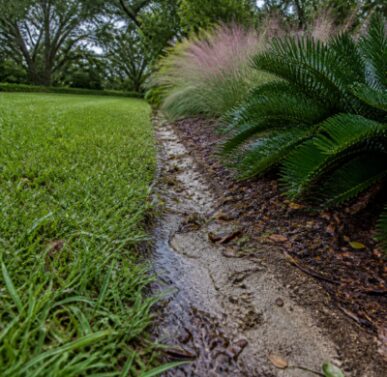
Warm-season grass on many Hillsborough properties is St. Augustine or Bahia; porous ground, tropical growth, drainage routes, palms, and irrigation limits also affect the site. Measure mowable surfaces and note edge lines, gates, obstacles, clippings, and storm debris separately.
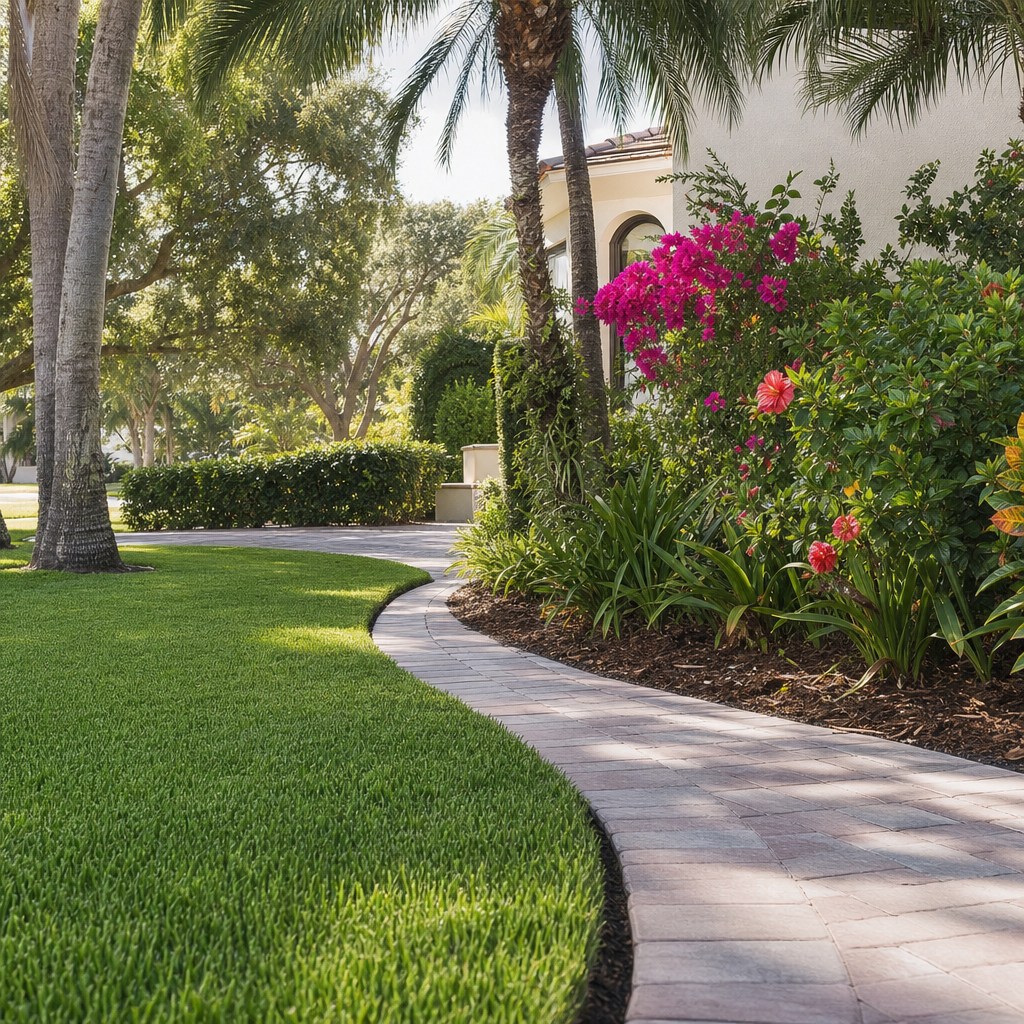
Lawn mowing in Tampa is not a one-size-fits-all service — and if your last landscaper treated it that way, you have probably already noticed. the Tampa Bay area lawns are mixed-grass environments, with St. Augustine, Zoysia, and Bahia all common across Hillsborough, Pinellas, and Pasco counties. Each of those grasses wants a different cutting height, a different mowing frequency, and a different seasonal rhythm. Get any of those wrong and you will spend the summer watching your yard slowly cook.
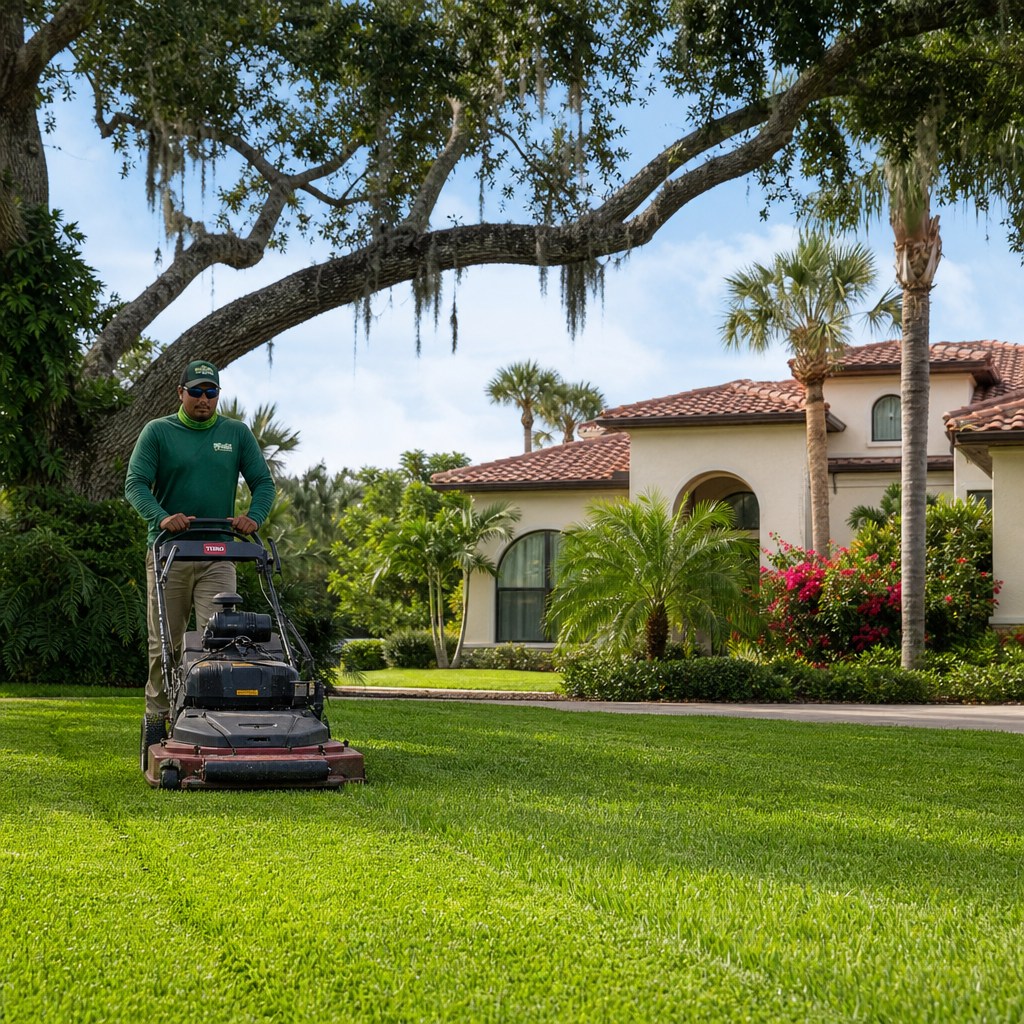
We run weekly and bi-weekly mowing programs across Tampa and the surrounding suburbs — Brandon, Riverview, Wesley Chapel, Carrollwood, Plant City, Temple Terrace, Town ‘n’ Country, Apollo Beach, Valrico, New Tampa, and Lutz. Every visit includes mowing, line-trimming around all edges and obstacles, edging of beds and walkways, and full blow-off of hard surfaces. No line items, no per-visit surcharges, no “we don’t do that” conversations when we are already on site.
Before the first visit we identify what is actually growing. Most the Tampa Bay area lawns are St. Augustine in most yards and Zoysia or Bahia on sunnier or larger lots. That mix matters because St. Augustine stays green nearly year-round in our heat and humidity but scalps if cut too short, while Bahia tolerates sun and drought on larger lots and Zoysia gives a denser look. None of them go truly dormant through a mild Tampa winter.
UF/IFAS Extension lists 3.5 to 4 inches for standard St. Augustinegrass cultivars and 2 to 2.5 inches for dwarf cultivars, while advising that no more than one-third of the leaf blade be removed per mowing. Blade inspection and sharpening cadence should be stated in the Tampa service scope.
A Tampa service agreement should define cleanup by surface, assign the final walk-through, and explain how the crew records irrigation damage, loose borders, or weather debris. Those details belong in the scope rather than an assumed every-visit promise.
For St. Augustine lawns in Tampa, weekly mowing from April through October is the right answer. Warm-season growth rates in our climate mean bi-weekly mowing almost always violates the one-third rule (never cut more than one-third of the blade at a time), which stresses the grass and invites disease. Stretching St. Augustine to bi-weekly in peak season is the number one reason Tampa lawns scalp, thin out, and invite chinch bugs by August.
Tampa mowing decisions start with the St. Augustinegrass cultivar and the amount of blade growth. UF/IFAS Extension recommends 3.5 to 4 inches for standard cultivars and 2 to 2.5 inches for dwarf cultivars, while removing no more than one-third of the leaf blade in a single cut.
Winter service shifts automatically. From mid-November through February, we drop to monthly check-ins to clear any fallen debris, perform occasional mulching cuts on warm-season grass to keep leaves off, and adjust as weather allows. The winter service cadence and any skipped visits should be stated in the written estimate so the invoice matches the scheduled work.
Before approving Tampa lawn service, record the turf zones, mowing and edge requirements, fixed obstacles, gate instructions, treatment of clippings, and post-work cleanup. Compare providers using the written property scope rather than a network-wide inclusion promise.
A Tampa property proposal should itemize mowing independently from treatments, seasonal cleanup, irrigation, design, and construction-related work. Use the accepted document to identify included tasks, exclusions, separate prices, and any later approval step.
Pricing
A Tampa lawn-service price should be documented against the measured work area, route conditions, visit frequency, access, and accepted job list. Have the provider state invoicing, payment, change-order, fee, and cancellation provisions in writing.
Request a free quote to confirm route availability for your neighborhood and lock in a fixed service day. After quote acceptance, the Tampa provider reviews route fit, property access, and the approved mowing scope before confirming service arrangements in writing. For property-wide work combined with mowing, see our service areas page for coverage details, or call (813) 859-6506.
Tampa Bay Communities We Serve
Beyond Tampa, our crews serve homeowners and businesses across the Pinellas and Hillsborough County suburbs:
- Tampa Watering Restrictions — current SWFWMD rules and watering days
- Tampa Grass Types — St. Augustine, Zoysia, and salt-tolerant paspalum
- Tampa Landscaping Calendar — year-round zone 9b tasks
- Tampa Lawn Care Guide — heat, humidity, fungus, and chinch bugs
- Tampa Fertilizer Rules — the June 1–Sept 30 summer ban
Mowing schedules only work when watering is legal too. See Tampa’s one-day watering schedule for your assigned day and hours.
What property conditions precede a commitment for Lawn Mowing?
Tampa route plans are written around St. Augustine or Bahia turf, Gulf Coast rain, sandy drainage, irrigation coverage, and the approved mowing or bed-maintenance scope.
. Call (813) 859-6506 for a written quote.What’s Included
- On-site walkthrough with the lead crew member
- Written estimate before any work begins
- Service window confirmed in writing
- Final walkthrough and quality check