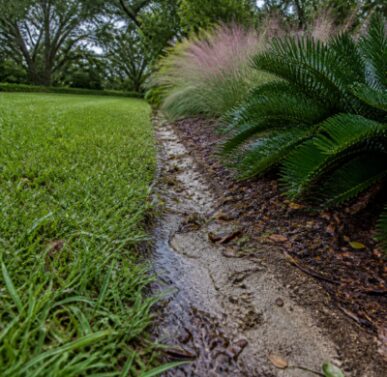
Property-condition check: How should Tampa properties scope leaf and palm debris?
Oak litter, palm material, tropical rain, and storm-drain protection make Hillsborough County cleanup dependent on the site. List the maintained zones, bagging or hauling method, local collection requirements, and the boundary between seasonal debris and storm cleanup.
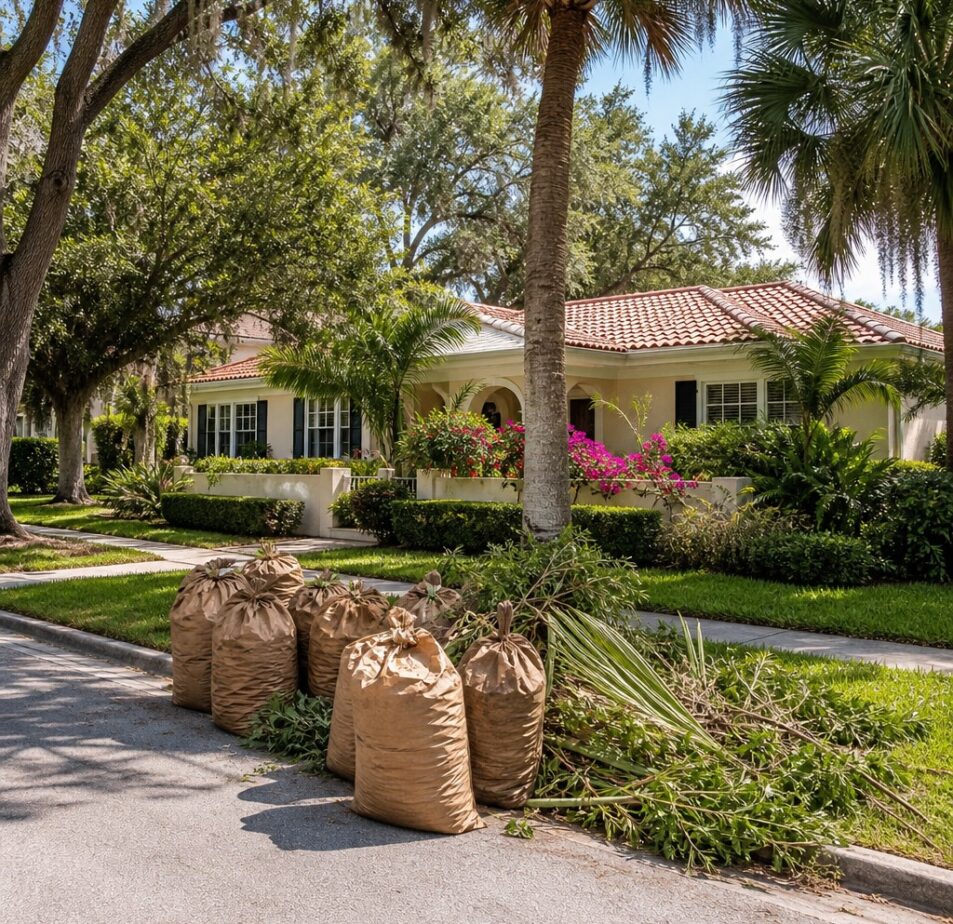
Leaf removal in the Tampa Bay area is a three-window job, not a one-time fall cleanup. Tampa’s tree canopy drops heavy leaves from mid-October through early December — oaks and hickories lead, with maples, sweetgums, and tulip poplars filling the middle and ends of the window. In spring, warmer weather brings pollen drop, small-branch debris from winter, and early-season yard waste from pruning and bed cleanup. And throughout the year, Tampa’s occasional tropical storms and thunderstorm bursts drop branches and limbs that need to come down fast before they become a hazard or damage turf underneath.
We handle all three windows as part of a single seasonal cleanup program — or as one-time on-call service when that makes more sense. Coverage runs across Tampa and the surrounding suburbs: Brandon, Riverview, Wesley Chapel, Carrollwood, Plant City, Temple Terrace, Town ‘n’ Country, Apollo Beach, Valrico, New Tampa, and Lutz.
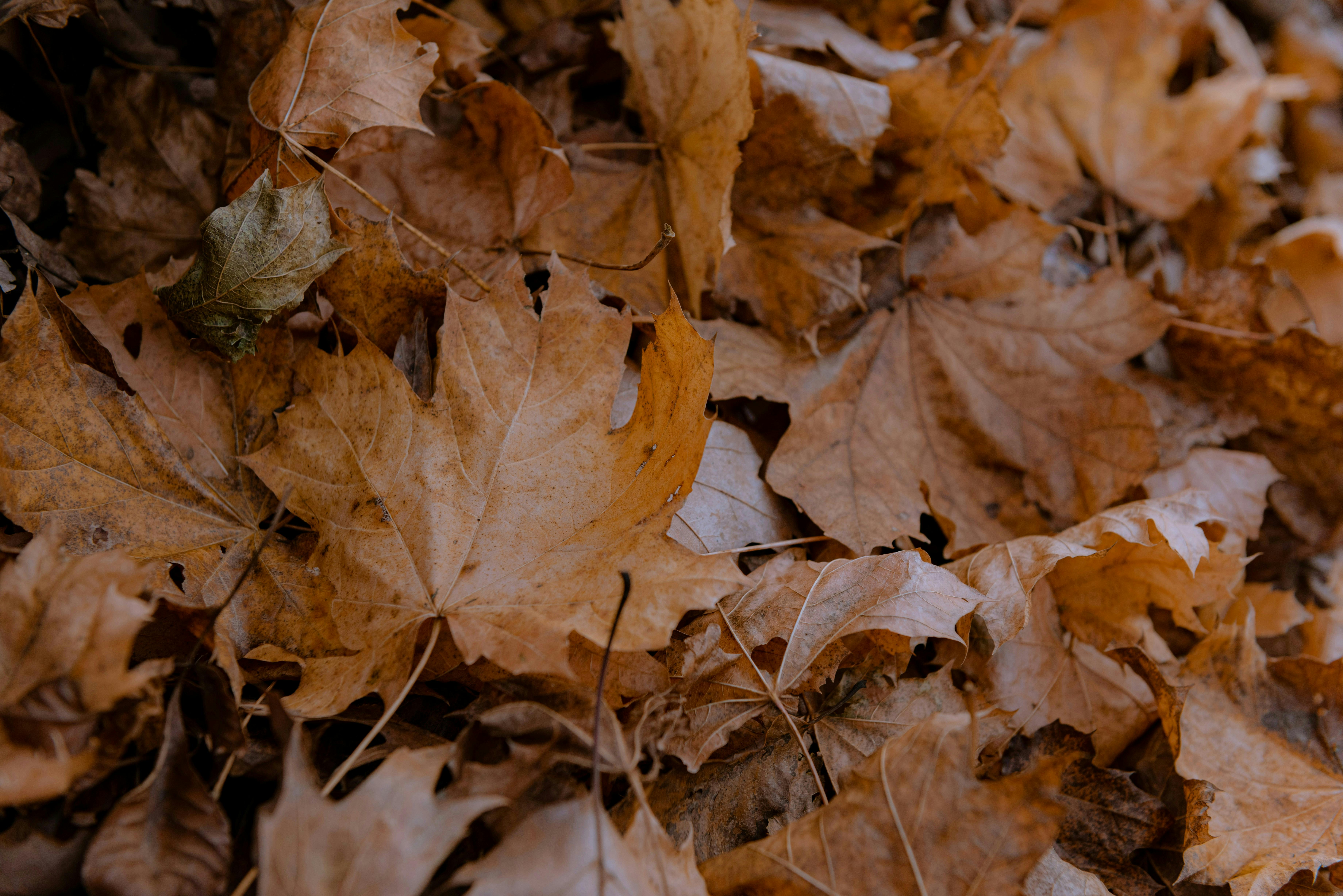
Fall cleanup typically runs four to six visits per property, spread across the October-to-December drop window. The first pass handles early leaf fall (typically late October on oaks and hickories). Mid-season passes (mid-to-late November) catch the heavy maple and sweetgum drop. Final pass in early-to-mid December clears anything remaining from tulip poplars and late-dropping species before winter shuts everything down.
Skipping fall cleanup has real costs. Matted leaves on a St. Augustine lawn through December and January smother the grass — by spring, you get bare patches, weak root systems, and an open invitation to crabgrass and dandelion pressure. On Bermuda and Zoysia lawns the risk is less direct but still real: leaves trap moisture, which invites fungal issues when warm-season grasses come out of dormancy in April.
For Tampa properties with 10 or more mature hardwoods — common in older neighborhoods like Hyde Park, Davis Islands, Forest Hills, and 12 South — a single fall cleanup pass isn’t enough. We schedule routine passes tuned to actual leaf drop, not a fixed calendar.
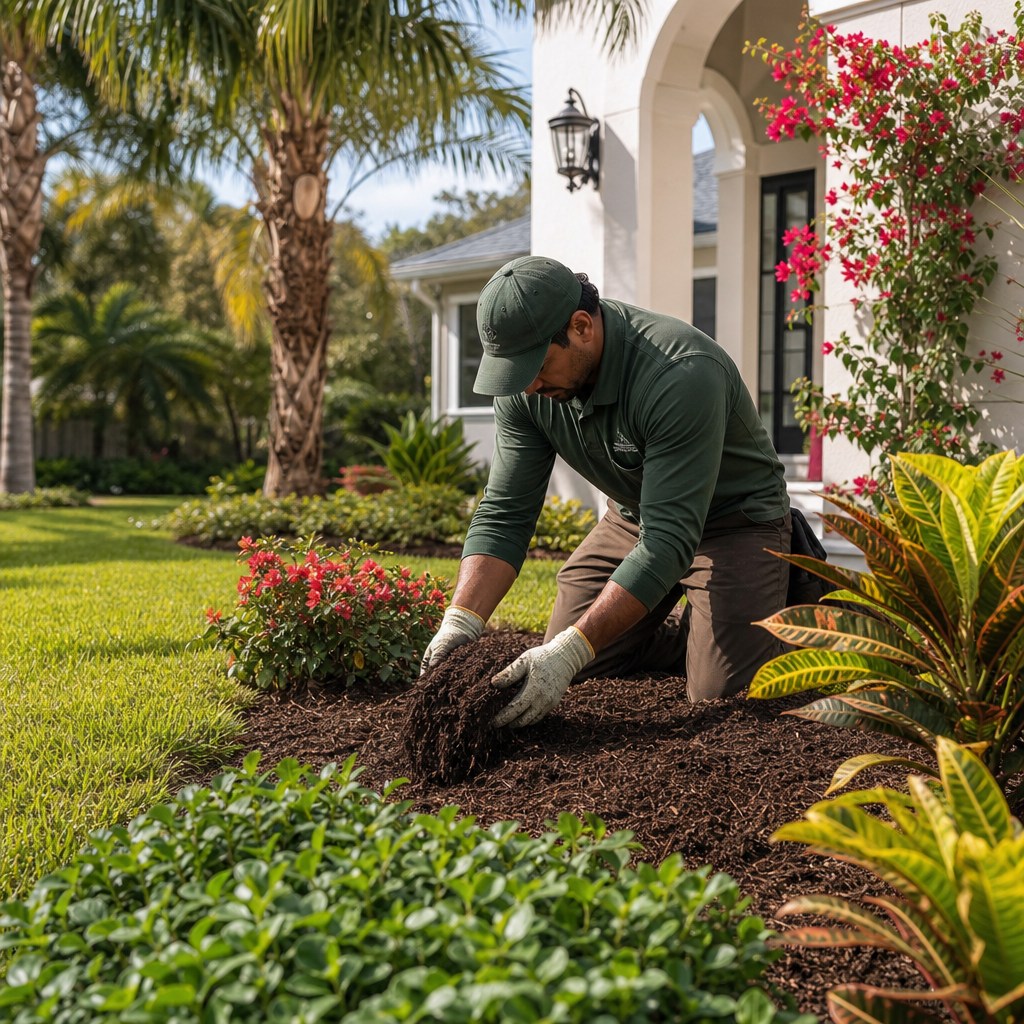
Late February through March is the spring cleanup window. Work includes: removing any residual fall leaves and storm debris, cleaning out planting beds and removing dead plant material, cutting back ornamental grasses and perennials left standing through winter (leaving them standing gives winter interest and shelters beneficial insects, but they have to come down before new growth), edging bed lines, and refreshing mulch where needed.
Spring cleanup is where we also flag any irrigation head damage, hardscape settling, or drainage issues that showed up over the winter. Most Tampa properties have at least one small issue emerge during winter — our spring cleanup visit catches those early when they’re still cheap to fix.
Tampa’s weather calendar includes tropical storms and hurricanes (most years, at least one threat), thunderstorms with 50-60 mph gusts (multiple times per spring), and the occasional tornado or severe wind event. Any of those can drop branches and limbs across a lawn, into beds, or onto a roof.
For residential properties, post-storm debris cleanup is handled as a scheduled call-out. Requests are triaged by blocked access, hanging limbs, utility hazards, and overall storm severity; availability is confirmed after conditions across the Tampa route are reviewed. We clear what we can cut with chainsaw equipment; anything requiring bucket truck or specialized tree removal gets referred to our arborist partners.
Tampa seasonal cleanup cannot be scheduled from a copied four-season template. UF/IFAS Extension notes that St. Augustinegrass can enter winter dormancy in parts of Florida and that cold tolerance varies by cultivar—BitterBlue, Classic, and Raleigh are cold-hardy, while Floratam has poor cold tolerance—so the scope should identify turf condition and debris volume.
A Tampa debris-removal scope should itemize its relationship to turf service, landscape changes, construction areas, and irrigation components. Require written confirmation of included material, cleanup limits, coordination, haul-away, and condition-reporting responsibility.
Build the Tampa seasonal cleanup quote around the exact site, existing conditions, desired result, access, and unresolved questions. Before authorization, obtain responsibilities, selected work, exclusions, cost method, timing assumptions, and cancellation rules.
How do recorded property conditions shape Leaf Removal?
Tampa design reviews Gulf Coast sand, St. Augustine or Bahia turf, salt exposure, heavy-rain flow, Florida-friendly plantings, and irrigation zones that fit the lot.
Process Overview
- Site assessment and consultation
- Written estimate with line-item scope
- Scheduled work window confirmed
- Crew executes against the written estimate
- Completion walkthrough with the homeowner